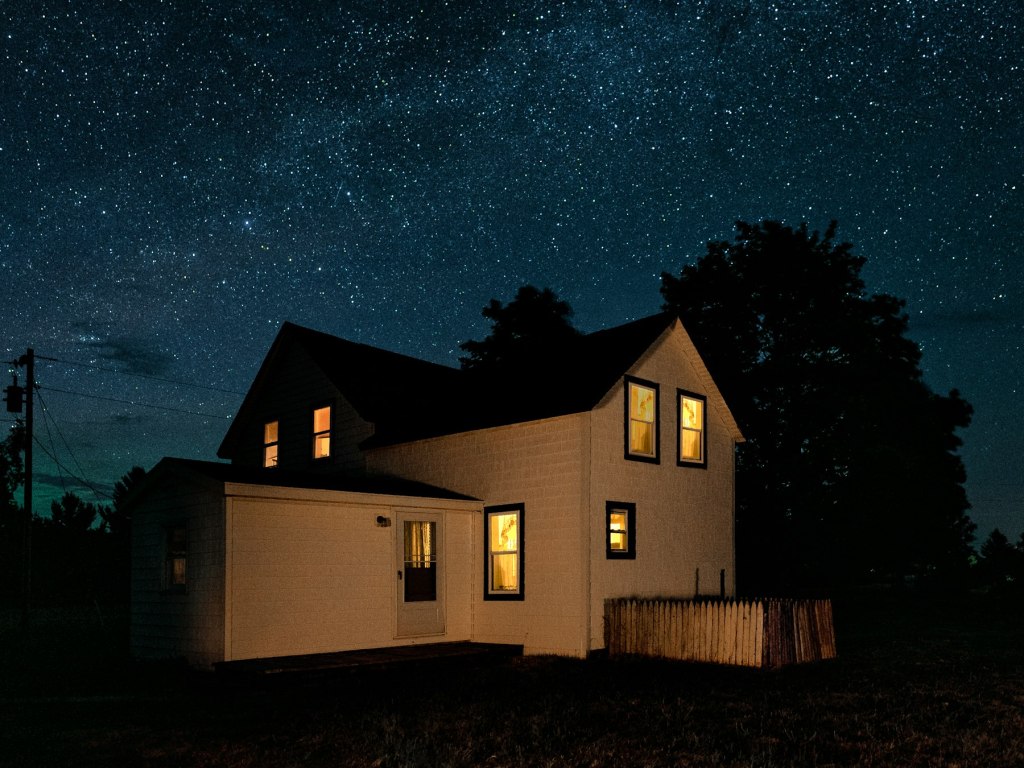
An original murder mystery in five acts
My 400 Writing Prompts journal gave me nine lines to plan a murder mystery dinner party—complete with a menu, guest list, and plot. Clearly, nine lines weren’t going to be enough.
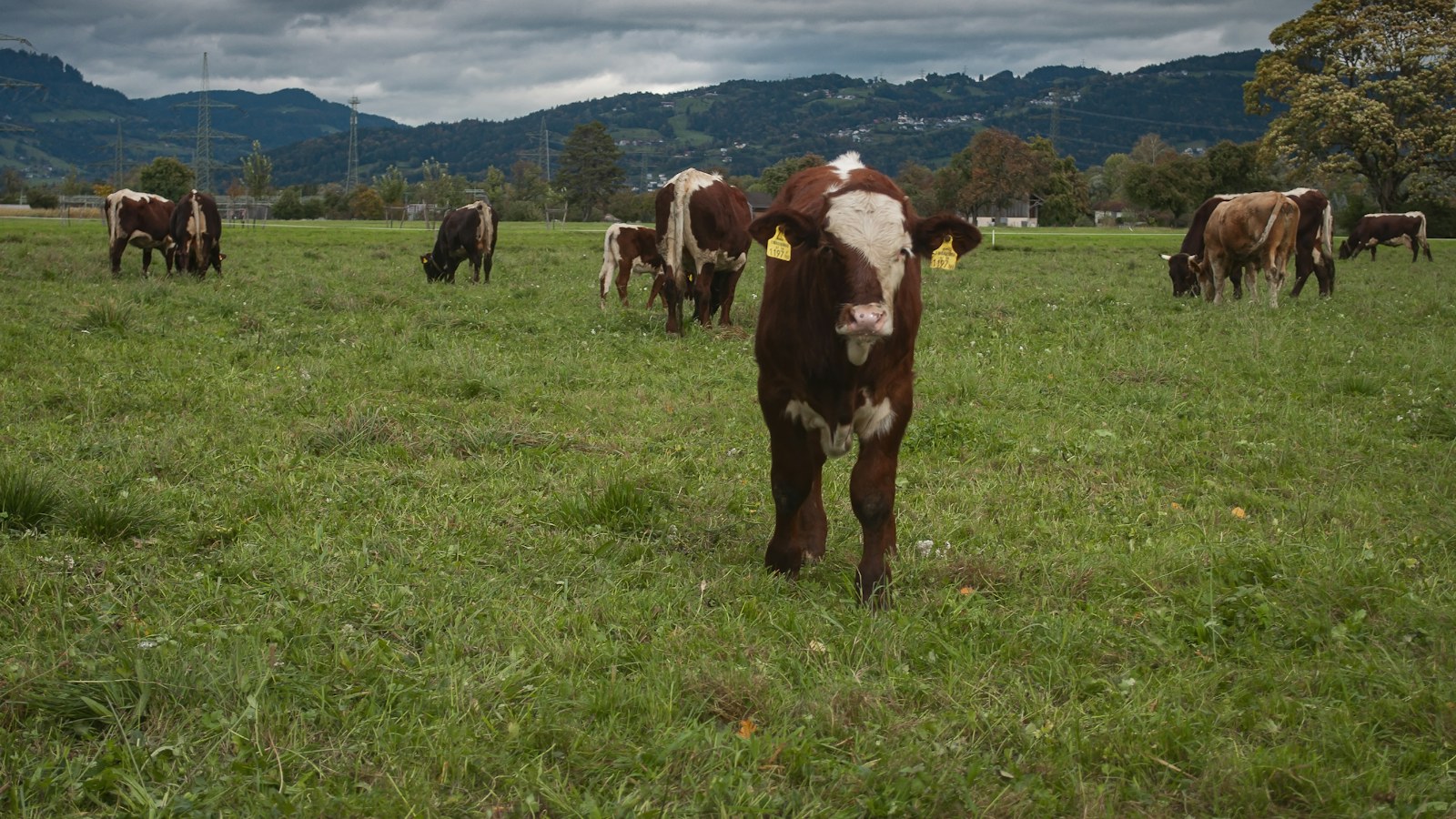
A note about this story: This is an original work of fiction. Oakhurst and Hood are real dairy brands, but every character, event, business arrangement, and alleged wrongdoing in this story is entirely fictional. Brackett Point Farm is imaginary, and all photographs are illustrative.
The Cast of Characters
A spoiler-free guide to the guests and the investigator. Feel free to return to it as the mystery unfolds.
| Character | Who They Are |
|---|---|
| Walter Brackett | The 72-year-old owner of Brackett Point Farm and the evening’s stubborn, milk-obsessed host. |
| Mara Whitcomb | An Oakhurst executive who is certain her company’s milk is superior. |
| Richard Pembroke | A Hood executive, Mara’s longtime rival, and a man who can turn any conversation toward dairy. |
| Dr. August Wren | A nationally celebrated milk taste tester with a seemingly extraordinary palate. |
| Edwin Finch | Walter’s longtime accountant and the person responsible for the farm’s finances. |
| Dr. Lorna Shaw | The farm veterinarian, familiar with its livestock and breeding history. |
| Calvin Rusk | A dairy truck driver who knows more about the farm’s supply chain than most executives. |
| Nora Mercer | A local journalist, invited to document the event, who rarely goes anywhere without a camera. |
| Deputy Greta Lawson | A Cumberland County sheriff’s deputy called to investigate an exceptionally unusual evening. |
Act I — The Dinner
There were three things Walter Brackett believed a respectable New England household ought to have: good manners, a properly maintained roof, and enough milk in the refrigerator to survive the apocalypse.
At seventy-two, he had managed two out of three.
The roof leaked.
Brackett Point Farm sat on a windswept stretch of Maine coastline, roughly twenty minutes outside Portland. Its weather-beaten farmhouse had stood for more than a century, surviving blizzards, hurricanes, two world wars, and several generations of Bracketts who refused to spend money on anything that wasn’t absolutely necessary.
The house overlooked the Atlantic Ocean. On clear evenings, you could see the lighthouse across the bay. Tonight, however, the ocean was hidden behind a wall of November rain.
It was the perfect setting for a murder.
Not that anyone knew that yet.
Walter had invited seven guests to dinner, promising what he called “the most important evening in the history of Maine dairy.”
That was a rather ambitious statement for a man whose most notable achievement to date was winning second place at a county agricultural fair in 1987.
Nevertheless, the invitations were delivered.
Among those attending were representatives of Oakhurst Dairy and Hood, two of New England’s best-known dairy brands. Mara Whitcomb represented Oakhurst. She was a sharply dressed woman in her fifties who approached dairy products with the seriousness of an international trade negotiator.
Across the table sat Richard Pembroke, Hood’s regional executive, whose most distinguishing characteristic was an extraordinary ability to turn any conversation into a discussion about milk.
The two had disliked each other for years.
Nobody could quite remember why.
There was also Edwin Finch, Walter’s longtime accountant; Dr. Lorna Shaw, the farm’s veterinarian; and Calvin Rusk, a dairy truck driver who looked profoundly uncomfortable wearing a tie.
The seventh guest was Nora Mercer, a local journalist Walter had invited to document the occasion.
Nora had initially declined.
Then Walter mentioned there would be free food.
She reconsidered.
Finally, there was the guest of honor: Dr. August Wren, a celebrated professional milk taste tester.
Wren had built an extraordinary career around his supposedly unmatched ability to identify milk by taste alone. Newspapers called him the Palate of New England.
He claimed he could distinguish the breed of cow, the quality of its feed, and sometimes even the geographical region in which it had grazed.
Once, during a television interview, he had claimed to identify a Jersey cow that had eaten wild clover three days earlier.
Nobody had ever verified this.
But the clip had received nearly two million views.
At precisely seven o’clock, Walter entered the dining room carrying a silver bell.
He rang it.
“Good evening, everyone.”
Nobody said anything.
Walter rang it again.
“We heard you the first time,” Richard said.
Walter ignored him.
“Tonight, after decades of disagreement, we will finally determine which of our distinguished dairy producers makes the finest milk in Maine.”
Mara leaned forward.
“There’s really no disagreement.”
Richard laughed.
“That’s adorable.”
Walter rang the bell again.
“Please. Before we begin, I want to remind everyone that this is a civilized gathering.”
Calvin looked toward the window, where lightning briefly illuminated the ocean.
“Could’ve fooled me.”
Walter continued.
“Everything you’ll be served tonight comes directly from my farm. Every ingredient has a story, and every glass has a source.”
“Even the salt?” Nora asked.
Walter frowned.
“What?”
“The salt. You said everything.”
Walter stared at her.
“Please don’t start.”
Nora took a photograph of the table.
The dining room was magnificent. Candles illuminated dark oak walls lined with photographs of prize-winning cattle. Heavy curtains framed the ocean-facing windows. Each place setting included polished silverware, a folded linen napkin, a water glass, and a small handwritten card identifying the guest.
At the head of the table sat Walter’s chair, distinguished by an old water goblet with a tiny chip along its gold-painted rim.
Walter insisted on using the glass because it had belonged to his grandfather.
His housekeeper had repeatedly suggested throwing it away.
Walter considered this a personal attack.
As everyone found their seats, Wren paused beside the head of the table.
“Wonderful view,” he said, looking toward the windows.
“Best in the house,” Walter replied.
“Would you mind terribly if I sat here?”
Walter hesitated.
It was his chair.
It had always been his chair.
His father had sat there, and his grandfather before him.
But August Wren was the most celebrated milk-tasting expert in New England.
Walter could hardly refuse.
“Of course not.”
The two men exchanged seats, Walter moving the name cards while Nora photographed the fireplace.
Nobody thought to move the water glasses.
At least, nobody appeared to.
Edwin Finch watched the exchange from the other end of the room.
Then he quietly folded his napkin.
Dinner began.
The appetizer was a selection of locally produced cheeses with homemade crackers.
The first course was roasted tomato bisque, finished with an extravagant swirl of cream.
The main course featured herb-roasted chicken, garlic mashed potatoes containing what Walter described as “a perfectly reasonable quantity of butter,” and green beans.
Dessert would be homemade vanilla ice cream and chocolate cake.
There was also milk.
An astonishing amount of milk.
Whole milk. Reduced-fat milk. Chocolate milk. Milk in glass pitchers. Milk in ceramic jugs. Milk served beside other milk.
When Nora asked whether there was anything else to drink, Walter gestured toward her water glass with obvious disappointment.
“I suppose.”
At eight fifteen, the blind tasting began.
Calvin entered carrying two numbered glass pitchers.
“Sample One,” Walter announced, “and Sample Two.”
Richard sniffed his glass appreciatively.
“Excellent color.”
Nora looked at him.
“It’s white.”
“Precisely.”
Mara lifted her glass.
“This has the richness I’d expect from Oakhurst.”
Richard took a sip from the second sample.
“Clearly Hood. Smooth finish. Excellent balance.”
Nora tried both.
They tasted remarkably similar.
She decided not to mention this.
Wren, however, had not taken a sip.
He simply examined the pitchers, glanced toward Calvin, and wrote something in a small leather notebook.
“Not tasting tonight, Doctor?” Mara asked.
“In due course,” Wren replied.
“Isn’t that why you’re here?”
Wren looked at her.
“Madam, I assure you, I’ve learned more about milk in the last twenty minutes than most people learn in a lifetime.”
He closed his notebook.
“And I haven’t tasted a drop.”
Everyone laughed politely.
Nobody was entirely sure whether he was joking.
At eight fifty-five, Walter stood.
“Before dessert, Dr. Wren has agreed to announce his findings.”
Wren rose slowly.
“Ladies and gentlemen, I’ve spent my career studying the dairy industry. And tonight, I believe we’re about to uncover something rather extraordinary.”
Edwin Finch stopped eating.
Wren continued.
“I can tell you that the results of this tasting will surprise everyone at this table.”
He lifted his water glass and took a drink.
“First, however, there’s something I must retrieve from my papers.”
He stepped away from the table and disappeared into the adjoining study.
At that exact moment, thunder shook the farmhouse.
The lights went out.
Mara screamed.
Richard knocked over his milk.
Calvin muttered something about the generator.
Walter rang his silver bell repeatedly, accomplishing absolutely nothing.
“Will somebody stop ringing that thing?” Nora shouted.
Thirty seconds later, the generator caught, and the emergency lights flickered on.
August Wren had not returned.
At first, nobody was concerned. He had gone to collect his papers.
But another minute passed. Then another.
Walter called his name.
No answer.
He opened the study door.
And there, beside the desk where his papers lay scattered, was the most famous milk taste tester in New England.
Dead.
For several seconds, nobody moved.
Then Richard Pembroke said the worst possible thing.
“Well.”
He cleared his throat.
“Does this mean we’re not getting the results?”
Act II — A Dairy Disturbance
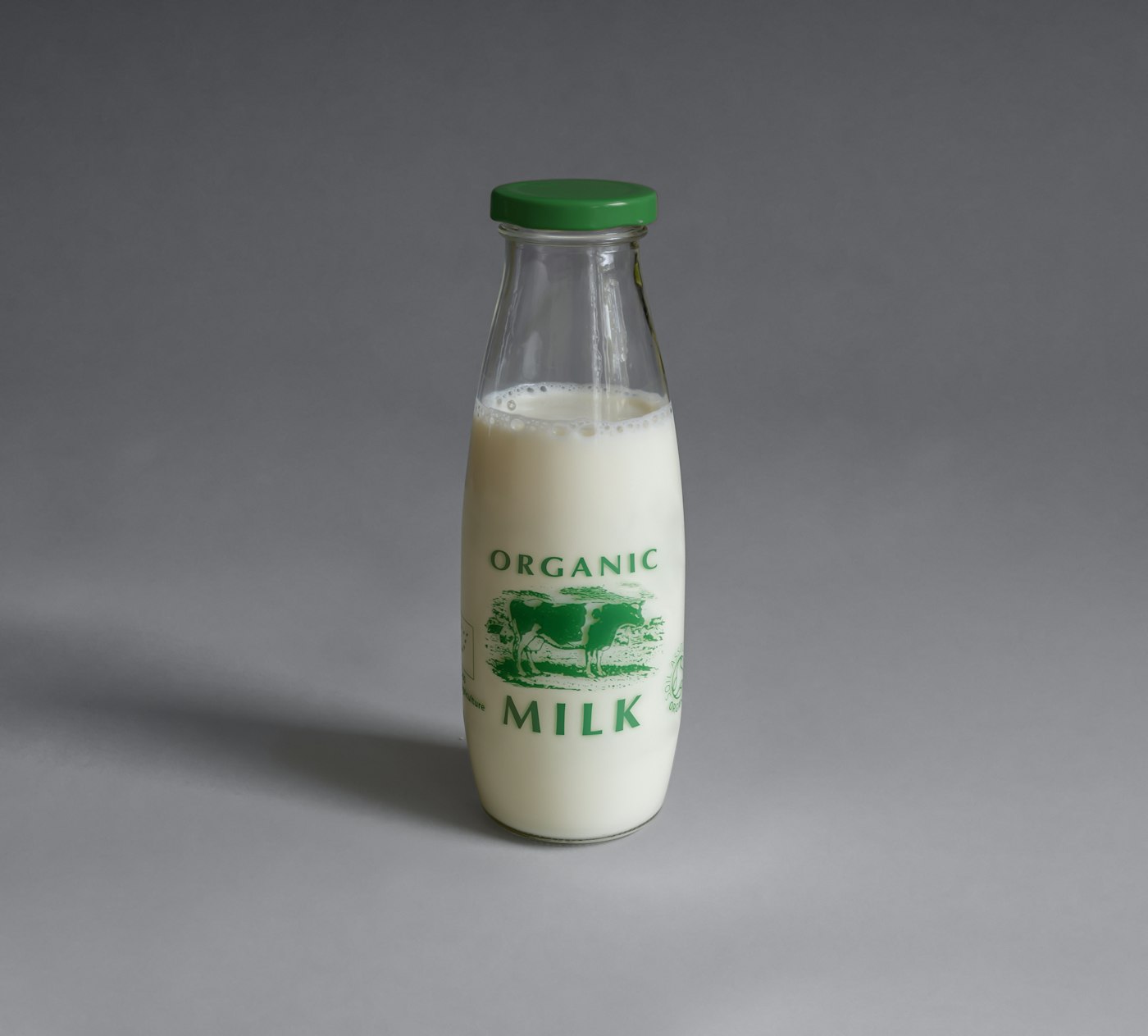
The Cumberland County Sheriff’s Office arrived forty minutes later.
By then, Walter had rung his bell eleven more times.
Deputy Greta Lawson took it away.
“Mr. Brackett, I need everyone to remain calm.”
“I am calm.”
“You’ve threatened to sue the power company twice.”
“They ruined my dinner.”
“A man has died.”
“Exactly!”
Lawson had investigated burglaries, fraud, domestic disputes, and one particularly memorable incident involving an escaped miniature horse.
She had never investigated a death at a competitive milk-tasting dinner.
She suspected there was a reason for that.
The guests were instructed to remain inside while investigators examined the study.
Nothing suggested that Wren had been attacked during the blackout. Later testing would establish that something had been deliberately introduced into a drink he consumed earlier in the evening.
For now, however, the circumstances remained unclear.
Outside, a fallen branch had damaged the power line. An officer confirmed that the farmhouse generator had restored the emergency lights. The storm, at least, appeared to be innocent.
Wren’s briefcase sat open on Walter’s desk.
Inside were several envelopes, a folded set of shipping documents, and his leather notebook.
The final notebook entry was short.
They have no idea.
Lawson read it twice.
“Any idea what that means?”
Walter shook his head.
“Could mean anything.”
“It was written during a milk tasting.”
“Then probably something about milk.”
Lawson closed her eyes.
Nora, who had been observing the conversation from the doorway, cleared her throat.
“He didn’t drink any.”
Lawson looked up.
“Excuse me?”
“The milk. He didn’t taste either sample.”
“You’re certain?”
“I photographed most of the evening.”
“Why?”
“I’m a journalist.”
Lawson considered this.
“Of course you are.”
Nora showed her the photographs.
Wren examining the pitchers.
Wren writing in his notebook.
Wren raising an empty milk glass to the light.
Wren drinking water.
But never milk.
Lawson made a note.
Meanwhile, in the dining room, the atmosphere was deteriorating.
Mara accused Richard of interfering with the tasting.
Richard accused Mara of being unable to accept defeat.
Calvin pointed out that no results had actually been announced.
That only made things worse.
Finally, Lawson returned to the table.
“Does anyone here know why Dr. Wren might have believed something unusual was happening with the milk?”
Nobody answered.
Then Calvin raised his hand.
“Well, there’s something I ought to mention.”
Everyone turned toward him.
Calvin sighed.
“I switched out the samples.”
Silence.
Mara slowly set down her glass.
“You did what?”
“The samples. I replaced both.”
Richard stood.
“I knew it!”
“Oh, sit down,” Calvin said.
“You compromised the entire tasting!”
“Technically, there wasn’t much to compromise.”
“What does that mean?”
Calvin looked toward Walter.
Then toward Dr. Shaw.
Then back at the executives.
“It means both pitchers came from the same refrigerated tank.”
Another silence.
Richard blinked.
“That’s impossible.”
Calvin shrugged.
“Well, I drove the truck.”
Mara stared at her glass.
“Are you telling me that I’ve been drinking Hood milk?”
“No.”
Richard smiled triumphantly.
“Are you telling me he’s been drinking Oakhurst milk?”
“No.”
“Then whose milk have we been drinking?”
Calvin scratched his chin.
“Brackett Point’s.”
The executives exchanged looks.
Calvin continued.
“Dr. Wren asked me to do it. Said he wanted a proper blind test. So instead of using two different samples, I drew both from the same batch we brought in from the farm’s regular production.”
“But why?” Mara asked.
Calvin hesitated.
“Because he wanted to see whether you’d notice.”
Richard looked offended.
“I noticed several distinctive characteristics.”
“Sure,” Calvin said.
“Very distinctive.”
“Absolutely.”
“Of the same milk.”
Nobody laughed.
Calvin continued.
“The point was to see how much of what you thought you tasted came from the milk, and how much came from knowing what name was supposed to be on the pitcher.”
Lawson looked at the notebook.
They have no idea.
It was beginning to make sense.
But it did not explain why Wren was dead.
“Who else knew about this arrangement?” she asked.
Calvin pointed toward the veterinarian.
“Dr. Shaw.”
The room turned.
Dr. Lorna Shaw had been sitting quietly in the corner, studying her hands.
“Yes,” she said. “I knew.”
“Why?”
“Because August called me three days ago. He asked me to bring some old records.”
“What records?”
Dr. Shaw looked toward Walter.
“Livestock registrations.”
Walter’s expression changed.
For the first time that evening, he seemed genuinely nervous.
“Which registrations?” he asked.
Dr. Shaw reached into her bag.
“The ones concerning Margaret.”
Walter stopped speaking.
Edwin Finch abruptly stood.
“I really think we’re getting away from the important issue.”
Lawson turned toward him.
“Sit down, Mr. Finch.”
“But—”
“Sit.”
He sat.
Dr. Shaw placed a yellowed document on the dining table.
And the mystery became considerably stranger.
Act III — The Curious Case of Margaret
Margaret was a legend.
At least, that was how Walter told the story.
According to him, Margaret had been the finest dairy animal ever to grace Brackett Point Farm.
Her bloodline was exceptional. Her pedigree was impeccable. Her contribution to the farm’s success had been immeasurable.
Walter had mentioned Margaret so frequently throughout the years that the animal had acquired an almost mythical reputation.
Both dairy representatives had heard of her.
Neither had ever seen her.
But that wasn’t particularly unusual.
Margaret had been dead for years.
The story of her remarkable legacy had survived through Walter’s recollections and the elaborate marketing materials Edwin Finch had prepared for the farm.
“The finest producer we ever had,” Walter said proudly.
Dr. Shaw unfolded the livestock registration.
“That’s an interesting choice of words.”
Walter frowned.
“What?”
“Producer.”
“She was magnificent.”
“Walter.”
“Best animal this farm ever had.”
“Walter.”
“What?”
Dr. Shaw placed the registration in front of him.
“Margaret wasn’t a cow.”
Nobody spoke.
Walter stared at the paper.
“Of course Margaret was a cow.”
“No.”
“Don’t be ridiculous.”
“Margaret was a bull.”
Richard Pembroke laughed.
A single short laugh.
Then he stopped.
“I’m sorry. What?”
Dr. Shaw pointed to the registration.
“Male. Registered breeding bull. Born April 12, 1987.”
Mara leaned closer.
“That’s a mistake.”
“It isn’t.”
“Surely the name—”
“The name was Margaret.”
“But—”
“Walter’s daughter named him when she was six. Walter never bothered changing it.”
Walter folded his arms.
“She was very attached to that name.”
“HE,” Dr. Shaw corrected.
“Fine. He.”
Richard looked increasingly concerned.
“Just to clarify something.”
“Yes?”
“Bulls don’t produce milk.”
“Correct.”
“They never have?”
Dr. Shaw stared at him.
“No, Richard.”
“Not even occasionally?”
“No.”
“Under unusual circumstances?”
“Richard.”
He slowly looked down at his glass.
Then at the milk pitcher.
Then at Walter.
His expression became one of absolute horror.
“Wait a minute.”
Nobody interrupted.
Richard lifted his glass.
“Bulls don’t produce milk.”
“That’s correct,” Dr. Shaw repeated.
“Margaret was a bull.”
“Yes.”
“Then explain to me, Walter. What in God’s name have I been drinking?”
Mara immediately pushed her glass away.
Nora looked at hers.
Calvin stared at the ceiling.
Walter opened his mouth.
Closed it.
Opened it again.
“I can explain.”
“Oh, PLEASE DO!” Richard shouted.
“Because I’ve spent the last forty minutes drinking something you told me came from an animal that apparently couldn’t have produced it!”
Dr. Shaw pinched the bridge of her nose.
“It’s not what you think.”
“HOW COULD YOU POSSIBLY KNOW WHAT I’M THINKING?”
“Because you’re making a very basic biological misunderstanding.”
Mara rose from her chair.
“I would like someone to explain exactly what has been served at this dinner.”
“Now hold on,” Walter said.
“Don’t tell me to hold on!”
Lawson raised a hand.
“Everyone, please—”
“IS THIS EVEN MILK?” Richard demanded.
Calvin sighed.
“Yes, Richard. It’s milk.”
“YOU’VE LIED ABOUT EVERYTHING ELSE!”
“Not about that.”
“WHY SHOULD I BELIEVE YOU?”
“Because I picked it up from the dairy tank!”
“AND WHERE DID THE DAIRY TANK GET IT?”
“From the cows!”
“WHICH COWS?”
Calvin stopped.
He looked at Dr. Shaw.
Dr. Shaw looked at Walter.
Walter stared at the table.
“Oh, for heaven’s sake,” Nora said.
“Would someone please tell this man where his milk came from?”
For one long moment, nobody answered.
Then Dr. Shaw folded the registration.
“Before we answer that,” she said, “there’s something else you need to see.”
She reached into her bag and removed a second document.
It was an invoice.
Then another.
Then another.
Each contained the same description.
Margaret Premium Heritage Milk — Exclusive Supply Agreement.
The invoices were dated over a period of five years.
Some were addressed to the Oakhurst marketing division.
Others to Hood’s promotional operations.
Both claimed exclusive rights to milk associated with Margaret.
And both had been signed by Edwin Finch.
Nora looked from one document to the next.
“How can both companies have exclusive rights to the same thing?”
Edwin cleared his throat.
“Well, exclusivity is a complicated contractual concept.”
“Is it?”
“Very.”
“Because it seems pretty straightforward.”
“There are various interpretations.”
“Such as?”
Edwin hesitated.
“Different kinds of exclusive.”
Calvin laughed.
He couldn’t help himself.
“That’s a good one.”
“Quiet,” Edwin snapped.
Lawson examined the documents.
“Mr. Finch, are these genuine?”
“Of course.”
“Both agreements?”
“Yes.”
“Promising the same exclusive supply?”
“It’s more nuanced than that.”
“And the payments?”
Edwin said nothing.
Lawson placed the paperwork on the table.
“Where did the money go?”
Edwin swallowed.
“Into the business.”
“Which business?”
Silence.
Lawson turned another page.
A series of payments had been transferred through a separate account controlled by Finch.
The name of the account was almost insultingly obvious.
Margaret Heritage Holdings, LLC.
Nora looked at the accountant.
“Seriously?”
Edwin looked offended.
“What?”
“You named your secret financial arrangement after the imaginary milk cow?”
“It wasn’t secret.”
“Then why is nobody here aware of it?”
Edwin’s mouth opened.
Nothing came out.
Richard looked toward Mara.
“So we’ve both been paying for supposedly exclusive milk from a bull?”
Mara closed her eyes.
“I am beginning to regret attending this dinner.”
Walter stared at Finch.
“Edwin.”
The accountant avoided his gaze.
“Edwin, what have you done?”
For the first time, the old farmer sounded less angry than disappointed.
And that was when Nora noticed something peculiar.
Finch hadn’t seemed surprised when Dr. Shaw revealed Margaret’s identity.
He had looked frightened before she opened the paperwork.
As though he’d known exactly what was coming.
But there was something else.
Walter hadn’t seemed especially surprised about Margaret being a bull, either.
In fact, after a moment’s thought, Nora realized Walter had never once referred to Margaret as a female that evening.
He had called Margaret an animal.
A legend.
A producer.
But never a cow.
Nora looked toward the fireplace, where a framed photograph of a magnificent animal hung above the mantel.
The brass plaque beneath it read:
MARGARET — CHAMPION, 1989.
She stared at the photograph.
Then back at Walter.
“You knew.”
Walter sighed.
“Of course I knew.”
“You knew Margaret was a bull.”
“He was my bull!”
“Then why did you let everyone believe otherwise?”
“I didn’t!”
“Your accountant sold exclusive rights to Margaret’s milk.”
“That wasn’t what I authorized!”
He turned to the others.
“Margaret was the foundation of this farm’s breeding program. I told Edwin he could market the heritage of the herd. The history. The bloodline. I never told him to promise that Margaret personally produced milk.”
Calvin leaned back in his chair.
“Well, that explains the paperwork.”
Richard shook his head.
“No. It explains absolutely nothing.”
Walter ignored him.
“I discovered the contracts last month. I demanded Edwin produce the original books.”
The accountant went pale.
Walter continued.
“He kept putting me off. Said there was a misunderstanding. Said it could be corrected.”
“And tonight?” Lawson asked.
Walter looked toward the study.
“August had been helping me investigate.”
Nora glanced at Wren’s notebook.
The world-famous milk taste tester hadn’t merely been invited to judge a competition.
He had been conducting an investigation.
And somebody knew it.
Act IV — The Wrong Glass
By eleven thirty, the storm had intensified.
Wind pressed against the windows. The fireplace had burned down to a bed of glowing embers. In the kitchen, Walter’s housekeeper was quietly wrapping leftovers that nobody wanted.
The chocolate cake remained untouched.
Its decorative icing read:
DEATH BY CHOCOLATE.
Lawson had asked the housekeeper to put it away.
Nora couldn’t blame her.
She sat beside the window, scrolling through her camera.
Something about the evening bothered her.
She had photographed the room before dinner, during the appetizers, and throughout the tasting.
At first, the images had seemed like ordinary documentation.
Now they looked different.
Every photograph contained something.
Not necessarily something important.
But something.
Nora found the first photograph she’d taken in the dining room.
6:42 p.m.
The table was fully set. Walter’s handwritten place card rested at the head of the table, beside his grandfather’s chipped water goblet.
Edwin Finch stood next to it.
His hand rested on the table.
Nora zoomed in.
He wasn’t looking at the camera.
He was looking at the glass.
She swiped to the next image.
6:56 p.m.
The guests had arrived. The dining room was crowded. Walter stood beside his chair.
Then another.
7:03 p.m.
Wren had taken Walter’s seat.
The name cards had been exchanged.
But the water glasses had remained exactly where they were.
Nora sat up.
She looked again.
At the head of the table, in front of August Wren, was the chipped gold-rimmed glass.
The same glass Walter had been supposed to use.
She stood so quickly that her chair scraped the floor.
“Deputy Lawson?”
Lawson looked up.
“I think you need to see this.”
Nora showed her the photographs.
The deputy studied them carefully.
“That’s the glass Dr. Wren drank from?”
“Yes.”
“And it originally belonged at Mr. Brackett’s place?”
“Yes.”
Lawson looked toward Walter.
“Mr. Brackett, why did you change seats?”
“Wren wanted the view.”
“Was that planned?”
“No. He asked just before dinner.”
“And the glasses?”
Walter frowned.
“What about them?”
“Did you move them?”
“No.”
Lawson turned toward Edwin.
“Mr. Finch, earlier you said you hadn’t touched any of the place settings.”
“That’s correct.”
Nora held up her camera.
“Then why is your hand beside Walter’s glass?”
Finch stared at the photograph.
“I was straightening the table.”
“Which is touching the place settings,” Nora replied.
“Don’t be absurd.”
“Then why lie about it?”
Edwin looked toward the door.
Lawson stepped in front of him.
“Mr. Finch, you’re not going anywhere.”
A terrible understanding settled over the room.
August Wren had not necessarily been the intended victim.
Walter Brackett had been seated at the head of the table for as long as anyone could remember.
The same chair.
The same glass.
The same place.
Finch had been responsible for the farm’s finances for fifteen years. He knew Walter’s habits better than anyone.
And he knew Walter was preparing to expose the fraudulent agreements.
Whatever had been done to the water glass had been intended for Walter.
But Wren had asked to change seats.
An innocent request.
A better view of the ocean.
Walter had moved.
The glasses had not.
For the first time that evening, Richard Pembroke looked genuinely horrified.
“So he wasn’t supposed to die?”
Nobody answered.
Edwin finally spoke.
“It wasn’t supposed to happen like that.”
Lawson stared at him.
“What wasn’t?”
Finch looked toward Walter.
“You were going to ruin everything.”
Walter said nothing.
Finch glanced toward the study.
“I thought Wren was here to taste milk. I didn't know he was helping you investigate. You were the one demanding the books.”
“Fifteen years I kept this farm running. Fifteen years I found money when there wasn’t any. You think those premiums paid themselves? You think those repairs appeared out of nowhere?”
“You forged agreements,” Walter said quietly.
“I saved your farm!”
“You stole money.”
“I borrowed it!”
“From two different companies that both thought they were buying the same exclusive milk?”
Edwin slammed his hand on the table.
“It wasn’t supposed to get this complicated!”
Nora glanced toward the enormous photograph above the fireplace.
Margaret looked remarkably unimpressed.
Edwin continued.
“You didn’t understand what the business needed. The banks wouldn’t help. The farm was losing money. So I developed a premium heritage program. One exclusive arrangement became two, and then the payments started coming in.”
“To your account,” Lawson said.
“To keep everything afloat.”
“While you took money for yourself.”
Finch looked away.
Lawson closed the financial folder.
“And when Walter found out, you tried to stop him.”
Edwin sank into his chair.
He didn’t answer.
He didn’t have to explain every detail. The photographs, the false statements, the financial records, and the evidence from Wren’s glass would eventually establish what had happened.
The accountant had attempted to silence the man who could expose him.
Instead, he had killed the one person who had spent the evening assembling the evidence against him.
The twist was almost too perfect.
The accountant had tried to get away with a financial crime involving a bull named Margaret.
And his carefully arranged plan had been defeated by a seventy-two-year-old farmer being polite to a dinner guest.
Lawson asked for additional officers.
Finch was taken into custody.
Walter sat silently at the table.
For a long time, nobody spoke.
Then Calvin looked toward the kitchen.
“Are we allowed to have dessert now?”
“Calvin,” Nora said.
“What?”
“Somebody died.”
“I understand that.”
“Then why are you asking about dessert?”
“Because I’ve been here for six hours, nobody’s eaten since eight, and there’s a perfectly good chocolate cake sitting in the kitchen.”
Nora stared at him.
He shrugged.
“Seems a shame to waste it.”
Act V — The Final Tasting
By one in the morning, the farmhouse was quiet.
The rain had eased.
The executives had finally gone home, each promising never to speak of the evening again.
Walter remained in his dining room, surrounded by half-empty milk glasses.
Nora stayed behind to collect her belongings.
Dr. Shaw approached her carrying Wren’s leather notebook.
“There’s something you ought to see.”
Nora looked up.
“More paperwork?”
“I’m afraid so.”
“At this point, I think paperwork should be illegal.”
Dr. Shaw offered her a sealed envelope.
It was addressed to Nora.
“August asked me to give you this after dinner. He wanted you to publish his findings.”
Nora examined the handwriting.
“Why me?”
“Because he thought you were the only person at that table who might actually ask where the milk came from instead of arguing about whose name was on the bottle.”
Nora hesitated.
Then opened it.
Inside were copies of the fraudulent contracts, livestock records, and a series of shipping manifests.
Wren had been investigating Finch for months.
He had discovered the duplicate exclusive supply agreements, traced the payments, and asked Calvin to arrange the blind tasting.
He had also learned that Walter had no idea how his accountant had been marketing the farm’s milk.
The dinner was never meant to declare a winner.
It was meant to expose a fraud.
Wren had been planning to reveal the truth in stages.
First, he would demonstrate that the executives couldn’t reliably identify their own supposedly superior milk under the conditions of the test.
Then he would show that both companies had been promised exclusive rights to the same heritage supply.
Finally, Dr. Shaw would reveal Margaret’s registration.
It was an elaborate performance.
A carefully constructed trap.
And, Nora realized, it explained why Wren had seemed so confident before dinner.
He already knew the answers.
He had designed the questions.
But there was still one thing she didn’t understand.
“Why didn’t he drink anything?”
Dr. Shaw looked toward the window.
“August was a complicated man.”
“That doesn’t answer my question.”
“No,” she agreed.
“It doesn’t.”
She handed Nora a second sheet of paper.
It was a personal letter, written in Wren’s careful handwriting.
Ms. Mercer,
For most of my professional life, people have believed that I possess an extraordinary ability to identify milk by taste. Once upon a time, I genuinely did have a remarkable palate.
But twelve years ago, after a serious illness, I lost my sense of taste.
Nora stopped reading.
She looked up.
“What?”
Dr. Shaw nodded.
“Keep going.”
I was terrified of losing my career. So I began paying closer attention to the things most people ignored. Farm records. Delivery routes. Processing facilities. Packaging dates. The small details that tell you where a product actually comes from.
Over time, I discovered something remarkable.
People are often more interested in what they believe they’re tasting than what they’re actually tasting.
I have spent the last twelve years being paid enormous sums of money to identify milk.
And for twelve years, I haven’t been able to taste it.
Nora lowered the paper.
She looked toward the abandoned tasting glasses.
“You’re kidding.”
“I’m afraid not.”
“New England’s most famous milk taste tester couldn’t taste milk?”
“Not for quite some time.”
“Then how did he identify all those samples?”
“Research. Documentation. And, occasionally, extraordinary luck.”
Nora thought about Wren’s television appearances.
His elaborate descriptions.
His reputation.
The legendary moment when he had supposedly identified a Jersey cow that had eaten wild clover three days earlier.
“He was making it up?”
“Not entirely,” Dr. Shaw said. “He usually identified the right source. He simply wasn’t doing it the way people thought.”
Nora laughed.
It began quietly.
Then she laughed harder.
She couldn’t help it.
The entire dinner had been organized around a man celebrated for his ability to taste milk.
A man who couldn’t taste anything.
Two executives had spent the evening identifying flavors that weren’t necessarily there.
An accountant had built a fraudulent business around milk supposedly produced by a bull.
And somebody had been killed over a scheme involving an animal named Margaret.
It was the stupidest series of events Nora had ever witnessed.
And she had once covered a city council meeting that lasted four hours because nobody could agree on the color of a parking sign.
She looked back at Wren’s letter.
There was one final paragraph.
My last test was never intended to determine which company makes the better milk.
I wanted to know whether people would recognize the truth when it was sitting directly in front of them.
I suspect they won’t.
Nora folded the letter.
For a moment, she felt unexpectedly sad.
Wren had been a fraud in one respect, certainly.
But he had also uncovered a real fraud.
And he had been willing to expose his own deception in the process.
A man who couldn’t taste milk had apparently understood the dairy business better than most of the people who could.
Nora looked toward Walter, who was sitting alone at the table.
“There’s still something I don’t understand.”
Walter looked up.
“What?”
“Margaret.”
He sighed.
“Not this again.”
“Yes, this again.”
“Weren’t you listening earlier?”
“Margaret was a bull.”
“Correct.”
“Your accountant sold exclusive rights to Margaret’s milk.”
“Yes.”
“And you’ve insisted all evening that the milk served here came from Margaret.”
Walter rubbed his forehead.
“Yes.”
Nora leaned forward.
“Then where did the actual milk come from?”
Walter stared at her for several seconds.
Then he started laughing.
Not a polite laugh.
Not the kind people give when they’re trying to be agreeable.
A genuine, deep, exhausted laugh.
Nora frowned.
“What?”
Walter wiped his eyes.
“Oh, Lord.”
“What?”
“Margaret’s daughters.”
Nora blinked.
“What?”
“The milk came from Margaret’s daughters.”
Walter stood and walked toward the fireplace.
He removed the old photograph from the wall, revealing a smaller framed picture hidden behind it.
It showed a row of prize-winning dairy cows standing in a pasture.
Beneath the photograph were their names and registration numbers.
Annie.
Louise.
Mabel.
Dottie.
And several others.
Walter pointed toward the picture.
“Margaret was the finest breeding bull this farm ever had. His daughters formed the foundation of our dairy herd. Their descendants are still producing milk today.”
Nora stared at the photograph.
“So it really was milk.”
“Of course it was milk!”
“From actual cows.”
“Yes!”
“Female cows.”
“Yes, Nora!”
She stared at him.
“Then why didn’t you just say that?”
Walter paused.
“Well.”
He looked down at the floor.
“Nobody stopped shouting long enough for me to answer.”
Nora stared at the old man.
Then she looked at the empty glasses.
Then at the photographs.
Then at the silver bell sitting on the mantel.
She thought about the executives arguing over milk they couldn’t distinguish.
About Finch’s fraudulent agreements.
About Wren’s extraordinary career.
About Margaret.
And suddenly she understood the one thing that had been true all evening.
Walter picked up his bell.
“Would you like another glass?”
Nora stood.
“No.”
“Are you sure? We’ve got plenty.”
“I’ve had enough milk to last the rest of my life.”
Walter shrugged.
“Suit yourself.”
Nora collected her camera and started toward the door.
Before she left, she turned back.
“One more question.”
Walter sighed.
“What now?”
“Why did your daughter name a bull Margaret?”
Walter considered this for a moment.
Then smiled.
“She named him after her grandmother.”
“Was her grandmother particularly fond of cattle?”
“No.”
“Then why?”
Walter looked at the photograph above the fireplace.
“Because, according to my daughter, they were both incredibly stubborn.”
Nora smiled.
“That’s actually rather sweet.”
Walter nodded.
“Margaret was a wonderful animal.”
He paused.
“Terrible temperament, though.”
Nora laughed.
“The bull?”
Walter shook his head.
“No.”
“My mother-in-law.”
Outside, the rain had finally stopped.
Nora stepped onto the farmhouse porch and looked across the black Atlantic. The lighthouse flashed in the distance.
Tomorrow, she would have a remarkable story to write.
There would be questions from the police, statements from the companies, and probably several very expensive attorneys.
The headline practically wrote itself.
THE GREAT MAINE MILK CONSPIRACY.
She raised her camera and took one final photograph of the farmhouse.
Through the dining room window, she could see Walter clearing the table.
A century-old home.
A legendary bull.
Two competing dairy executives.
A dead milk expert who couldn’t taste milk.
And a murderer who had made the fatal mistake of assuming a man would sit in his own chair.
Nora lowered the camera.
Perhaps Wren had been right all along.
People really did believe what they wanted to believe.
Especially when the truth was sitting right in front of them.
She started toward her car.
Then stopped.
Something Walter had said bothered her.
Everything served tonight came directly from my farm.
She thought about the milk, the cheese, the butter, and the ice cream.
Then she remembered the chocolate cake.
She turned toward the farmhouse.
Through the kitchen window, Walter was scraping the remaining cake into a bucket.
He carried it outside toward the barn.
A moment later, Nora heard him say:
“There you go, girls. Right back where it came from.”
Nora stood motionless.
Then she got into her car.
She had absolutely no intention of asking another question.
— The End —
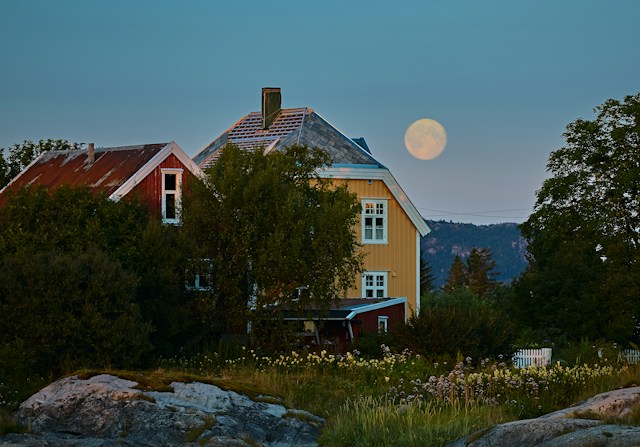
Stock images licensed through Unsplash; credited with each image. The people and locations of this fictional story are not depicted.


Leave a Reply