Tag: Sony

  • Opinion: Sony Is Pushing an All-Digital Future While Undermining Digital Ownership

    Opinion: Sony Is Pushing an All-Digital Future While Undermining Digital Ownership


    On July 1, 2026, Sony Interactive Entertainment issued two announcements that expose a fatal contradiction in the modern video game industry. The company is actively forcing players toward an all-digital future, while demonstrating in real time that digital libraries carry a corporate expiration date. They are demanding total consumer reliance on their digital infrastructure, while proving that infrastructure is anything but permanent.

    The first blow to physical preservation came via the official PlayStation Blog. Sid Shuman, Senior Director of SIE Content Communications, announced that starting in January 2028, physical game disc production will end for all new PlayStation releases. Shuman framed the decision as a necessary adaptation, stating the move is “in response to shifting trends in consumer preference.”

    “Physical game disc production for all new games releasing on PlayStation consoles will be discontinued starting January 2028.”

    — Sid Shuman, Senior Director, Sony Interactive Entertainment

    The market data certainly supports that trend. According to gaming industry analyst Piers Harding-Rolls of Ampere Analysis, the digital share of game purchases has skyrocketed over the past decade, jumping from just 13% at the PS4’s launch to nearly 80% by 2025. From a strict business perspective, eliminating the manufacturing, shipping, and warehousing overhead of physical media is an understandable corporate efficiency.

    But what makes financial sense for a corporation isn’t always what is best for the consumer—especially when digital ownership is legally treated as a revocable license.


    The Illusion of the Digital Library

    Sony is asking players to move toward an all-digital future, yet the company is actively dismantling its digital past. This concern is not theoretical; it is happening right now.

    Just days before announcing the end of physical discs, Sony confirmed a massive deletion of digital content from user libraries. According to reporting from Game Informer, written by Marcus Stewart, Sony began notifying users that hundreds of previously purchased movies and television shows from Studio Canal—including acclaimed films like Terminator 2: Judgment Day, Apocalypse Now, and Paddington 2—would be wiped from PlayStation digital libraries starting September 1, 2026. The removal, tied to expiring content licensing agreements, offers no refunds to the players who paid for them.

    “From September 1, 2026, due to our content licensing agreements, you will no longer be able to access your previously purchased content from Studio Canal, and it will be removed from your video library.”

    — Official PlayStation Store Notice

    This establishes a grim precedent: when a licensing agreement lapses, the consumer is the one left empty-handed. For anyone who has spent decades curating a physical media library, the reality is stark. A physical disc on a shelf belongs to you. A digital purchase is merely a conditional rental, tethered to the shifting legal agreements of corporate entities.


    Dismantling the Fallback

    To compound the issue, Sony used the very same day it announced the 2028 disc cutoff to reveal that legacy digital infrastructure is also on the chopping block.

    In a separate post, Shuman announced the impending closure of the PlayStation 3 and PlayStation Vita digital stores, shutting off new purchases globally by July 2027. The juxtaposition is staggering. Sony is demanding that consumers abandon physical media while showing exactly what happens when the digital storefronts that replace them eventually become obsolete.

    The community immediately connected the dots. Sony’s announcements quickly accumulated thousands of comments on the PlayStation Blog, the overwhelming majority expressing fierce opposition.

    “We literally own nothing now but licenses.”

    — PlayStation Blog Commenter

    For many core fans, the 2028 timeline marks a hard exit ramp, with another commenter adding, “Looks like the PS6 is where it sadly ends for me.”


    The Core Argument for Ownership

    Physical media provides rights that digital purchases simply do not: resale, lending, donation, and long-term preservation independent of platform control. In a fully digital ecosystem, access is conditional—governed by licensing agreements, account status, and storefront availability rather than permanent possession. As preservation organizations like the Video Game History Foundation have long warned, when physical formats die, the legal and practical ability to archive and protect the medium’s history is severely crippled.

    Thirteen years ago, Sony built a mountain of consumer goodwill with a 22-second viral video playfully demonstrating how to share physical games on the PS4. It was a defining moment that helped them win a console generation by positioning PlayStation as the platform that respected traditional ownership. Now, Sony is eliminating the very medium that made that message possible.


    The Retail Ripple Effect

    The consequences extend far beyond a single player’s game shelf. Without physical media, Sony gains significantly greater control over pricing within its own ecosystem because consumers no longer have access to competing retailers selling new physical copies or a used game market.

    This shift will fundamentally alter the broader retail landscape. Walk into many Target or Walmart stores today, and the console game aisle is already shrinking. Removing PlayStation discs eliminates one of the largest remaining categories of physical console software. Retail analysts warn that this transition could accelerate the decline of specialty electronics stores like GameStop, which rely heavily on the secondary market of used games to maintain foot traffic.

    Sony argues that it is following consumer behavior, but by removing the alternative, it is actively reshaping it. The question is no longer whether digital downloads are the future—they already are for a majority of the market. The real tension is no longer physical versus digital, but permanence versus permission. If that choice disappears in 2028, July 1, 2026, will be remembered as the day PlayStation fundamentally redefined game ownership.

  • Rumor: PlayStation State of Play Set for February as PS6 Launch Slips

    Rumor: PlayStation State of Play Set for February as PS6 Launch Slips


    Sony is expected to host a new PlayStation State of Play presentation in February, according to multiple industry insiders and retail leaks surfacing this week. While Sony Interactive Entertainment has not officially confirmed the event, the reports suggest a showcase focused on the 2026 software lineup and upcoming PlayStation Plus Essential titles.

    The rumored event comes amid shifting expectations for Sony’s hardware roadmap. Industry analysts now suggest the PlayStation 6 may not arrive until 2030, a significant delay from the previously projected 2027 or 2028 launch windows.

    Extended Lifecycle for PS5

    The shift in console timelines is reportedly driven by the continued strength of the PlayStation 5 market and the impending release of Grand Theft Auto VI. Analysts at SandStone Insights noted that Sony likely wants to extend the PS5 lifecycle to capitalize on the massive momentum expected from Rockstar Games’ next title, which is slated for a late 2025 or early 2026 window.

    “Sony expects the PlayStation 5’s lifecycle to be extended,” said David Gibson, an analyst at SandStone. Gibson noted that the “Console Timelines Shift” at Sony points toward a longer-than-expected wait for next-generation hardware.

    February Content Outlook

    While hardware news remains speculative, the rumored February State of Play is expected to highlight immediate software concerns. Leaks suggest that the boxing title Undisputed—which currently holds a 70 on Metacritic—will headline the PlayStation Plus Essential lineup for February.

    Other potential highlights for the showcase include:

    • New gameplay details for Resident Evil Requiem.
    • Updates on Bungie’s Marathon, currently slated for a March 5 release.
    • Trailers for first-party titles like Ghost of Yotei.

    Sony typically announces State of Play events only a few days in advance. If the February rumors hold true, an official announcement from the PlayStation Blog is expected within the next two weeks.

  • What Is the Best VR Headset to Buy in 2019

    What Is the Best VR Headset to Buy in 2019


    Virtual Reality seemed to be just another technology fad, that would pass us by like 3D TVs did in 2013. The market would invest in it, and then it would fade out, but that doesn’t seem to be the case.

    (more…)

  • PSN Maintenance, Leaked PS4 5.0 Update, and How to Sign up for Sony’s Beta

    PSN Maintenance, Leaked PS4 5.0 Update, and How to Sign up for Sony’s Beta


    Sony is releasing quite a few new things on PlayStation to make the experiences on it that much better but has yet to release a date on the PS4 5.0 update.

    (more…)

  • Perception (PS4) Review

    Perception (PS4) Review


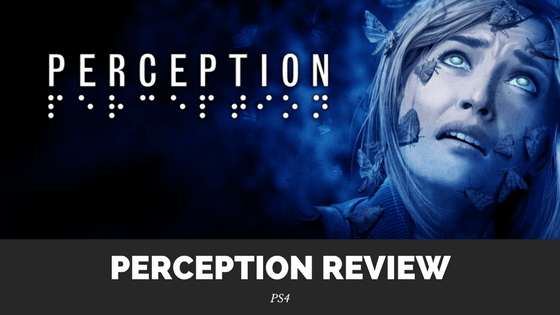
    A fear of the dark is something almost everyone has to face. But for Cassie Thornton, a blind woman, it’s something she wants to conquer. (more…)

  • The First 21 Minutes of Watch Dogs 2

    The First 21 Minutes of Watch Dogs 2


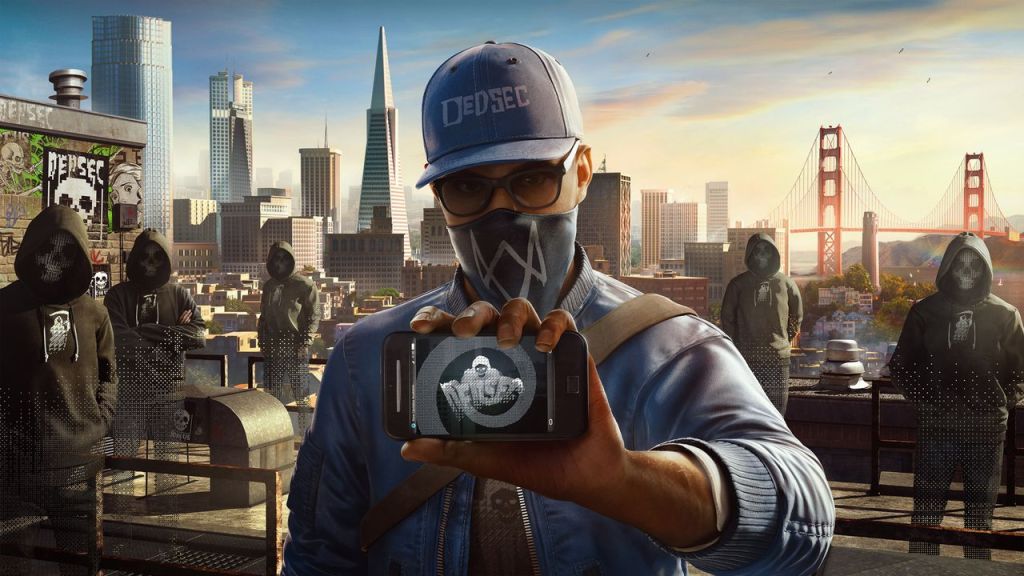
    Welcome to Watch Dogs 2! In this opening sequence, you meet Marcus, the main protagonist, and the Dedsec crew. All of it was captured on the PS4.

    (more…)